The L0130AD and L0130AE-0H are digital input modules commonly used in industrial automation and control systems. These modules are used to receive and parse binary data from various digital signal sources.
Function: The main function of the digital input module is to receive digital signals from external devices or sensors and convert them into a format that the system can understand and process. These modules typically have multiple channels and can monitor multiple digital signals simultaneously.
Features:
Multichannel: These modules typically have multiple channels that allow multiple digital signals to be received and parsed simultaneously.
Flexibility: Different modules may have different parameters such as the number of channels, input type and operating voltage, which gives users the flexibility to select modules according to their specific needs.
Compatibility: These modules are usually compatible with a specific control system or platform and can be easily integrated into existing automation systems.
Reliability: Because they are designed for industrial automation environments, these modules typically have high reliability and are able to operate stably in harsh industrial environments.
Applications: L0130AD and L0130AE-0H (and similar digital quantity input modules) are widely used in various industrial automation fields, such as manufacturing, energy, transportation, etc. They can be used to monitor and control various devices and systems such as sensors, actuators, motors, etc.
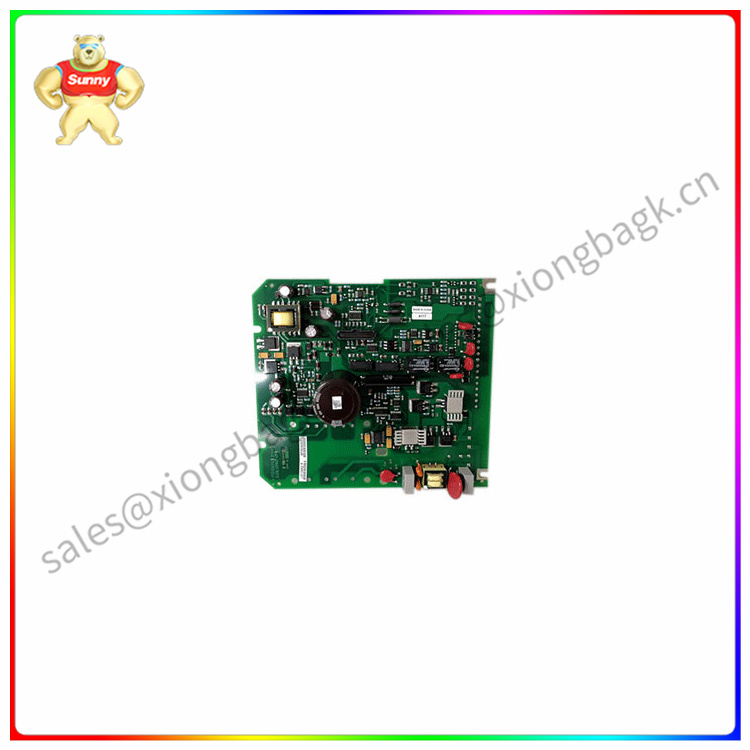
L0130AD and L0130AE-0H are widely used in industrial automation and control systems as digital input modules. Here is a brief overview of the possible advantages and disadvantages of these modules:
Advantages:
Multi-channel design: These modules typically have multiple channels and can receive and monitor multiple digital signals at the same time, improving the flexibility and efficiency of the system.
Flexibility: These modules may support different types of digital inputs, such as TTL, CMOS, etc., as well as different operating voltages, providing users with greater choice.
Easy integration: These modules are often designed to integrate with a specific control system or platform, such as a PLC system, so that they can easily connect and communicate with other devices and systems.
High reliability: Because they are designed for industrial automation environments, they usually have high reliability and stability, and can operate properly under harsh working conditions.
Wide application range: These modules are suitable for a variety of industrial automation and control scenarios, such as sensor monitoring, equipment control, etc., and have a wide range of application prospects.
Cons:
Limited compatibility: While these modules are often compatible with a specific control system or platform, they may not work for all types of systems. This limits their use in some specific applications.
Configuration and setup can be complex: For users who are not familiar with these modules, configuration and setup may require certain specialized knowledge and skills, which may increase the deployment and maintenance costs of the system.
Cost: While these modules are useful in industrial automation, they can be costly, especially for large systems that require heavy use of these modules.


